

blog spot
THE
health hub
A collection of helpful articles & information to spread awareness through education from our staff to you

CATEGORY
9/18/2026
POSTED
runny nose can all show up this fall. Here’s how to know what may be causing your child’s symptoms and how to prepare for the season ahead.
Fall brings cooler weather, school routines, outdoor activities, and unfortunately, plenty of sniffles.
For parents, one of the hardest parts is figuring out what those symptoms actually mean.
Is it seasonal allergies? A common cold? Flu? Something your child picked up at school?
While symptoms can overlap, there are a few clues that can help you decide what to do next.
Why Do Allergies Get Worse in the Fall?
Spring gets most of the attention when it comes to allergies, but fall can be difficult for children with seasonal allergies too.
Ragweed pollen is one of the major fall allergy triggers. Mold spores can also increase around damp leaves, soil, and other outdoor areas.
Children with fall allergies may experience:
→ Frequent sneezing
→ Clear or runny nose
→ Nasal congestion
→ Itchy or watery eyes
→ Itchy nose or throat
→ Postnasal drip
→ Mild coughing, especially from drainage
One useful clue is itchiness. An itchy nose, eyes, or throat is much more characteristic of allergies than many viral illnesses.
Allergy symptoms may also persist or return when your child is exposed to their triggers.
Allergies vs. a Cold: What Should Parents Look For?
A runny nose alone doesn’t always give you the answer.
With seasonal allergies, children commonly have clear nasal drainage, sneezing, itchy or watery eyes, and symptoms that follow exposure to allergens. Allergies themselves do not cause fever and aren’t contagious.
A viral respiratory infection may include congestion and coughing too, but your child may also develop fever, sore throat, fatigue, decreased appetite, or symptoms that change over several days.
And once school is back in session, children have plenty of opportunities to encounter respiratory viruses.
If you’re unsure which one you’re dealing with, especially when symptoms are worsening rather than improving, an evaluation can help.
What About the Flu?
Flu can look very different from a typical case of seasonal allergies.
Children with influenza may develop symptoms such as:
→ Fever or chills
→ Cough
→ Sore throat
→ Runny or stuffy nose
→ Headache or body aches
→ Significant tiredness
→ Vomiting or diarrhea, which can occur more commonly in children than adults
Unlike seasonal allergies, flu is caused by a virus and can spread from person to person.
That makes fall a good time to think beyond treating today’s sniffles and start preparing your family for the respiratory illness season ahead.
Fall Is a Good Time to Check Your Child’s Vaccines
Fall also means the start of another flu season, making this a good time to check whether your family is up to date on recommended vaccinations.
The CDC recommends annual flu vaccination for most people ages 6 months and older. Staying current on recommended vaccines can help protect your family as respiratory illnesses begin circulating more frequently during the fall and winter months.
Night Watch Urgent Care offers routine and seasonal vaccinations, making it easier to take care of this important fall health task.
Vaccine availability may vary, so call your nearest Night Watch location to confirm which vaccines are currently available before your visit.
Helping Your Child Through Fall Allergy Season
If allergies are the problem, reducing exposure can sometimes make the season more comfortable.
Try having children wash their hands and face after spending time outside, change clothes after heavy outdoor exposure, keep windows closed when pollen counts are high, and avoid letting piles of damp leaves accumulate around areas where children play.
Your child’s healthcare provider can also help you determine whether an age-appropriate allergy treatment may be useful.
When Should Your Child Be Seen?
Not every sniffle needs an urgent care visit. But it may be time for an evaluation if you’re unsure whether symptoms are allergies or an illness, symptoms continue to worsen, your child develops a persistent or high fever, they’re having difficulty eating or drinking, or they’re simply not acting like themselves.
Seek emergency care for significant difficulty breathing, blue or gray lips or skin, severe dehydration, or if your child is extremely difficult to wake.
We’re Here for the Unexpected Fall Sick Days
Whether it’s a cough that appeared overnight, a fever after school, worsening allergy symptoms, or you’re simply unsure what’s making your child sick, Night Watch Urgent Care is here to help.
CATEGORY
4/19/2026
POSTED
A quick update from our clinics
Allergies are everywhere right now.
Over the past week, we’ve been seeing a steady flow of kids coming into our clinics in Aldie (Stone Ridge), Manassas, and Winchester with the same pattern of symptoms.
It’s not the typical “gets better in a few days” kind of illness.
It lingers.
And that’s what’s making it confusing for a lot of families.
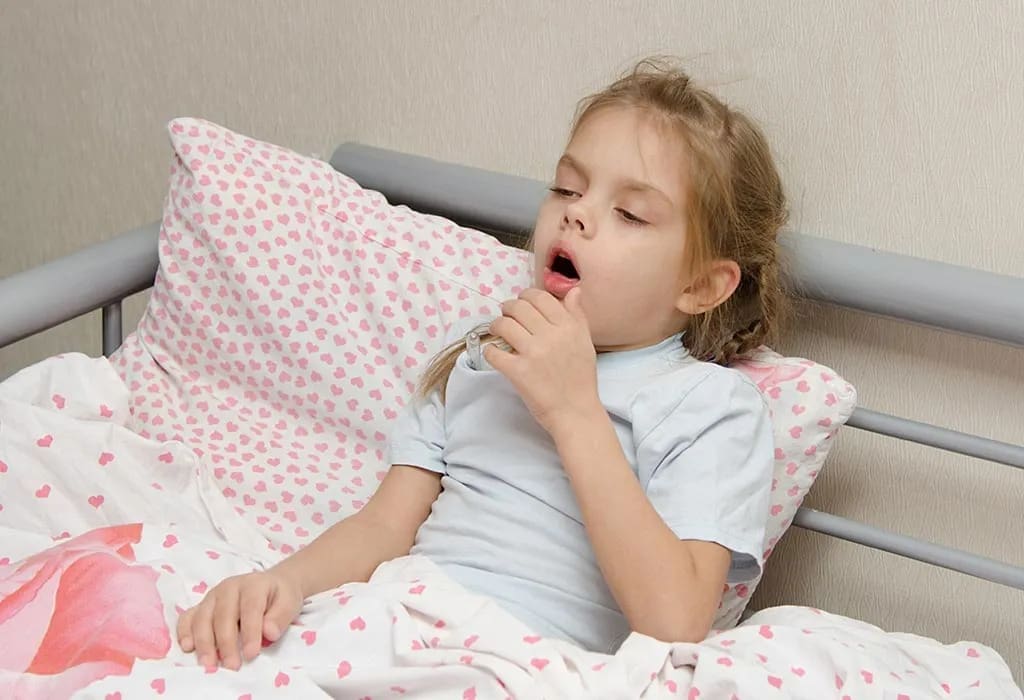
What we’re seeing in clinic
Most kids we’re seeing right now are coming in with:
- Congestion that won’t go away
- Frequent sneezing
- Runny nose that keeps coming back
- Itchy or watery eyes
- Red, irritated eyes (often mistaken for pink eye)
- A cough that’s worse at night
For many parents, it starts off feeling like a simple cold. But after a few days, it doesn’t improve the way they expected.
Instead of getting better, symptoms just stay — or fluctuate throughout the day.
That’s been one of the biggest patterns we’re seeing.
Why symptoms are worse right now
This is very typical for this time of year in Northern Virginia.
Pollen levels are rising, the weather keeps shifting, and allergens are more active — especially outdoors.
Even children who don’t usually have strong allergies can start showing symptoms when exposure increases.
And because allergy symptoms can overlap with colds, it’s easy to misread what’s going on.
When it’s more likely allergies
There’s no single symptom that confirms it, but there are a few patterns we’re seeing consistently right now.
Symptoms that linger beyond a few days, come and go, or seem worse in the morning or after being outside are often allergy-related.
Itching is another big clue — especially itchy eyes, nose, or throat — which isn’t as common with viral illnesses.Most of the time, the discharge is also clear rather than thick, and kids may seem uncomfortable but otherwise okay.
What to do next
Not every case needs immediate treatment, but getting clarity can help a lot.
If your child’s symptoms aren’t improving, are affecting sleep, or just don’t feel typical for them, it’s reasonable to have them evaluated.
Sometimes it’s simply confirming that it’s allergies and guiding you on what will help. Other times, it helps rule out something else.
Either way, it takes the guesswork out of it.
Allergy care at Night Watch Urgent Care
At Night Watch Urgent Care, we’re seeing and treating seasonal allergies in children every day right now.
We help families understand what’s causing their child’s symptoms and recommend the right next steps — whether that’s supportive care, allergy management, or further evaluation.We’re open every day, including evenings and weekends, so you don’t have to wait while symptoms linger.