

blog spot
THE
health hub
A collection of helpful articles & information to spread awareness through education from our staff to you

CATEGORY
7/31/2026
POSTED
Sexual health is part of overall health. And yet it is one of the topics most people avoid talking about, even with their own doctor.
At Night Watch Urgent Care, we believe you deserve honest, straightforward answers without judgment. So here are the most common questions we hear about STIs and STD testing, answered plainly.
What Is an STI?
STI stands for sexually transmitted infection. It refers to any infection passed from one person to another through sexual contact, including vaginal, anal, and oral sex.
STIs can be transmitted through blood, semen, vaginal fluids, and other bodily fluids. Some can also be transmitted through skin to skin contact, from mother to child during pregnancy or childbirth, or through shared needles.
Are STI and STD the Same Thing?
Almost. STI stands for sexually transmitted infection. STD stands for sexually transmitted disease.
The key difference is that an infection becomes a disease only when it causes symptoms. Since most STIs are asymptomatic, meaning they cause no symptoms at all, the term STI is now generally preferred by healthcare providers. However both terms refer to the same conditions and are widely used interchangeably.
How Common Are STIs?
More common than most people realize. Globally there are an estimated 1 million new STI cases every single day. In the United States, the CDC reports tens of millions of new STI cases annually, with chlamydia consistently being the most reported.
STI rates have been rising in Northern Virginia in recent years. This is not a distant problem. It is a community health issue that affects people across all demographics, relationship types, and age groups.
What Are the Most Common STIs?
STIs can be caused by bacteria, viruses, or parasites. The most common ones include:
Chlamydia, Gonorrhea, Syphilis, HIV, Herpes (HSV-1 and HSV-2), Human Papillomavirus (HPV), Hepatitis B and C, and Trichomoniasis.
Night Watch Urgent Care tests for all of the above at our Aldie / Stone Ridge location. Walk in anytime. Same day results.
What Are the Symptoms of an STI?
This is where most people get caught off guard. The majority of STIs have no symptoms at all, especially in the early stages.
When symptoms do appear, they can include:
Unusual discharge from the vagina or penis. Burning or pain when urinating. Sores, blisters, or rashes in the genital area. Lower abdominal pain. Pain during sex. Swollen or tender lymph nodes in the groin area. Spotting or bleeding between periods in women.
But here is the most important thing to understand. You can have an STI and feel completely fine. No symptoms does not mean no infection. The only way to know your status for certain is to get tested.
How Can Someone Contract an STI?
STIs are transmitted through:
Vaginal, anal, or oral sex with an infected person. Skin to skin genital contact even without penetration. Exposure to infected blood or bodily fluids. Sharing needles or injection equipment. Mother to child transmission during pregnancy or childbirth.
Why Is Testing So Important?
Because most STIs are asymptomatic, testing is the only reliable way to know your status.
Left undetected and untreated, STIs can cause serious long term health consequences including pelvic inflammatory disease, fallopian tube scarring, fertility complications, increased risk of certain cancers, and higher susceptibility to other infections including HIV.
Most of these complications are entirely preventable with early detection and treatment.
Who Should Get Tested?
You should consider getting tested if:
You are sexually active with a new or multiple partners. You have never been tested before but have been sexually active. You have symptoms that suggest a possible STI. You and a partner are considering unprotected sex. You have been sexually assaulted. You are pregnant, as routine STI screening is recommended during pregnancy.
If you are unsure whether you should get tested, the answer is almost always yes. Testing is a straightforward and responsible part of taking care of your health.
How Often Should You Get Tested?
At least once a year if you are sexually active, even if you always use protection and have no symptoms.
Every 3 to 6 months if you have multiple partners or engage in unprotected sex.
Every time you have a new sexual partner. Getting tested before engaging in sexual activity with someone new is one of the most responsible things you can do for both of you.
How Can I Prevent Getting an STI?
Consistent condom use is the most effective barrier against STI transmission during vaginal, anal, and oral sex. Use them correctly every time.
Get tested regularly. Knowing your status and your partner’s status removes the guesswork.
Talk openly with partners about sexual history and testing. It is a normal and healthy part of any relationship.
Ask your provider about vaccines. Vaccines are available for Hepatitis A, Hepatitis B, and HPV. These are safe, effective, and widely recommended.
Ask about PrEP. Pre-exposure prophylaxis is a once daily medication that reduces the risk of HIV by over 99 percent when taken correctly. Talk to our providers at Night Watch to find out if PrEP is right for you.
Are STIs Treatable?
Yes. Most STIs are very treatable and many are completely curable.
Chlamydia, gonorrhea, and syphilis are curable with antibiotics when caught early. Trichomoniasis is also curable with medication. HIV is manageable with treatment and people living with HIV can live full, healthy lives. Herpes is treatable with antivirals that reduce symptoms and transmission risk. Hepatitis B and C have effective treatment options available.
The earlier an STI is detected, the simpler and more effective treatment is. This is why regular testing matters so much.
What to Expect at Night Watch
Walking in for STI testing at Night Watch is simple, fast, and completely private.
You walk in anytime, no appointment needed. You check in confidentially. A provider will collect a urine sample, blood draw, or swab depending on what you are being tested for. The visit takes about 10 to 15 minutes. Results are available same day or next day. If treatment is needed, we can provide it in the same visit.
Your results are completely confidential. They are not shared with your employer, your insurance company, or anyone else without your explicit consent.
Your Sexual Health Matters
STIs are common, often silent, and very treatable. The stigma around them is the biggest barrier to people getting the care they need.
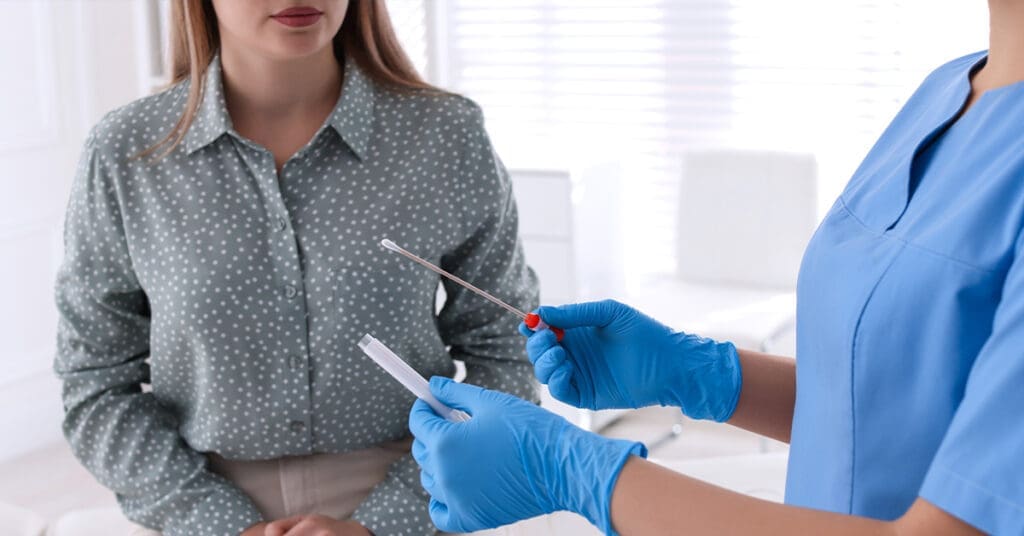
At Night Watch Urgent Care, we are a judgment free zone. Our team handles STI testing with the same professionalism and discretion as any other medical service. You deserve healthcare that respects your privacy and takes your health seriously.
Please note that STI and STD testing is available exclusively at our Aldie / Stone Ridge location. If you are coming in specifically for STI or STD testing, please visit us at 42010 Village Center Plaza, Suite 100, Aldie, VA.