



blog spot
THE
health hub
A collection of helpful articles & information to spread awareness through education from our staff to you

Children’s Eye Health: Back-to-School Vision Tips Every Parent Should Know
CATEGORY
8/07/2026
POSTED
Children’s Eye Health: Back-to-School Vision Tips Every Parent Should Know
As parents, we spend weeks preparing our children for a new school year. We buy backpacks, sharpen pencils, and check off school supply lists.
But there’s one important item many families forget:
Can your child actually see the board?
August is Children’s Eye Health and Safety Month, making it the perfect time to think about your child’s vision before school begins. Good eyesight plays a major role in learning, reading, sports, and everyday confidence. Many vision problems develop gradually, and children often don’t realize they’re seeing differently because it’s all they’ve ever known.
A simple vision screening during your child’s annual well visit can help identify concerns early.
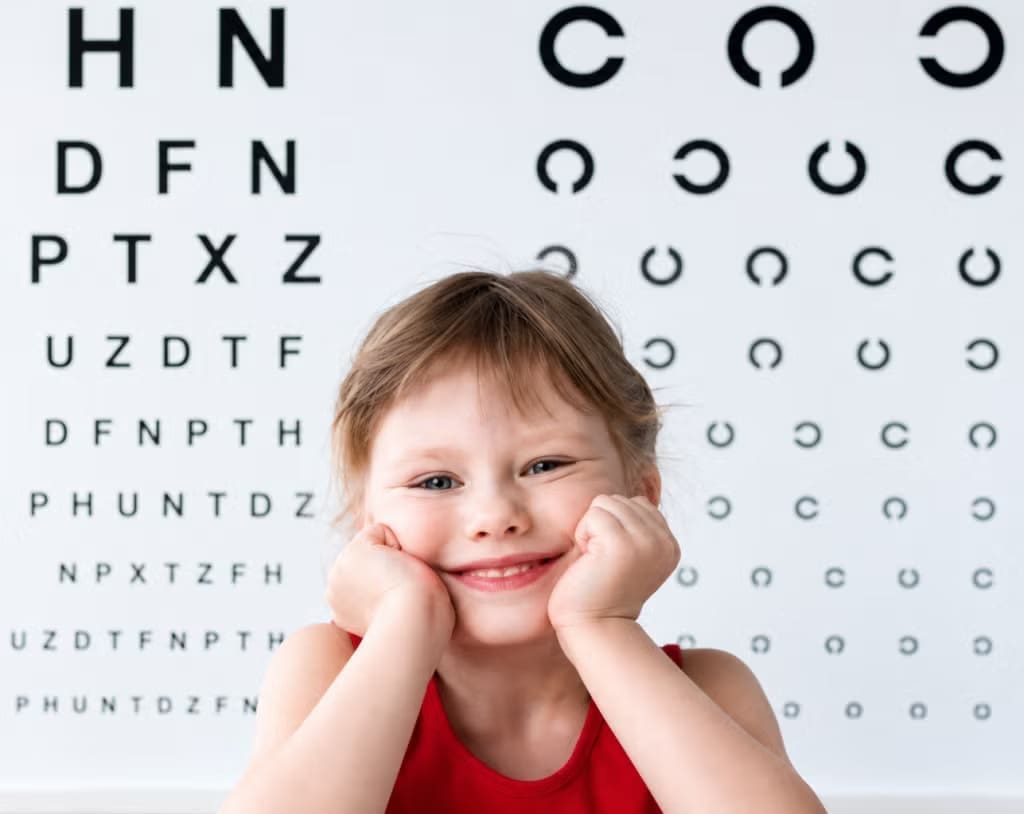
Why Eye Health Matters
Nearly 80% of classroom learning is visual. Children rely on their eyesight to:
✔ Read books and worksheets
✔ See the classroom board
✔ Complete homework
✔ Participate in sports
✔ Develop hand-eye coordination
When vision problems go unnoticed, they can sometimes be mistaken for learning difficulties or attention problems.
Signs Your Child May Be Having Trouble Seeing
Children don’t always tell parents when something looks blurry.
Instead, you may notice they:
• Squint often
• Sit very close to the TV or tablet
• Hold books close to their face
• Rub their eyes frequently
• Complain of headaches after reading
• Lose their place while reading
• Avoid reading or homework
If you’ve noticed any of these signs, it’s worth mentioning them during your child’s next well visit.
Screen Time and Eye Strain
Today’s kids use screens for school, homework, entertainment, and staying connected with friends.
While screen time doesn’t usually cause permanent eye damage, it can lead to digital eye strain, leaving children with tired, dry, or uncomfortable eyes.
Simple habits can help:
✔ Encourage breaks every 20 minutes
✔ Remind your child to blink regularly
✔ Keep screens about 18–24 inches away
✔ Reduce glare when possible
✔ Adjust screen brightness to a comfortable level
Small changes can make a big difference, especially during the school year.
Vision Milestones by Age
Every child develops differently, but routine vision screenings help ensure healthy eye development.
Babies (Birth–12 Months)
Your pediatrician checks that your baby’s eyes are developing normally and that they can focus, track movement, and respond to light.
Toddlers and Preschoolers
As children grow, they’re developing depth perception, hand-eye coordination, color vision, and visual memory.
School-Age Children
Routine vision screenings become increasingly important as reading, writing, sports, and classroom learning place greater demands on their eyesight.
If a screening identifies concerns, your pediatrician may recommend a comprehensive eye exam with an eye specialist.
Why Well Visits Matter
Your child’s annual well visit is about much more than vaccines.
It’s also an opportunity to monitor growth, development, hearing, vision, and overall health before the school year begins.
If we notice anything unusual during your child’s vision screening, we’ll discuss the next steps and refer you to an eye specialist if needed.
Early detection gives children the best opportunity for healthy vision and successful learning.
Schedule Your Child’s Back-to-School Well Visit
Before the first school bell rings, make sure your child is ready to learn with confidence.
At KidsWatch Pediatrics, our well visits include:
✔ Vision screening
✔ Hearing screening
✔ Growth and development checks
✔ School forms
✔ Immunizations
One visit helps prepare your child for a healthy, successful school year.



COMMENT LOVE